 XR Custom Jewelry
PVD vs water electroplating: what is the actual difference?
PVD and water electroplating both put a color layer on jewelry, but they are not the same process and they do not age the same way. PVD (physical vapor deposition) forms the color layer inside a vacuum chamber, where it bonds to the stainless steel surface. Water plating deposits metal ions from a liquid bath, so the coating sits on the base metal rather than bonding into it. If you are sourcing colored stainless steel jewelry, that difference decides how the piece looks after a year of wear. Here is how we explain it as the factory doing the plating.
How each process actually works
In water electroplating, the parts go into a chemical bath and an electric current pulls metal onto the surface. It is a mature, low-cost process and it is common on brass, silver and alloy jewelry. The coating adheres mechanically - it lies on top of the metal.
In PVD, the parts sit in a vacuum chamber. The coating material is vaporized and settles onto the steel, forming a layer that bonds at the molecular level. There is no bath and no clear boundary where a "plating layer" ends. That bond is why a PVD finish does not peel or flake the way a water-plated layer can.
Durability: where the two diverge
On stainless steel, PVD is the finish that holds color better in daily wear, and it is our standard for gold, rose gold and black pieces. A water-plated layer on the same steel is more prone to rubbing through at edges and inside engraving. The failure mode is different too: water plating tends to lift and flake, while PVD wears down gradually and evenly, like the steel itself.
Our factory's stated standard: a gold-tone PVD finish on 316L keeps its color through roughly 1 to 2 years of everyday wear, longer when worn occasionally and stored well. Rose gold can show wear slightly earlier on pieces worn against the skin daily, so we often add a protective treatment there. We publish that range openly because your customers deserve a realistic expectation from the start. For what a passing test looks like, see our 48-hour salt spray test note.
The base metal matters as much as the process
Water plating is the usual choice on brass, silver and alloy, and on those metals it is the whole story - there is no corrosion-proof base underneath if the coating wears through. On 316L stainless steel, the base itself does not rust or discolour, so even a worn finish reveals skin-safe metal rather than reactive copper. That is why we pair PVD with 316L for colored lines: the process and the base both survive wear.
One technical point buyers rarely ask: high-end stainless PVD is actually thinner than water plating on brass or alloy, often a fraction of a micron, built as an adhesion layer plus a color layer. It is harder and more durable in wear despite being thinner. If you need the spec for a listing, ask and we will send the technical sheet for the exact style.
Cost, color range and environmental angle
- Cost. Water plating is cheaper up front. PVD costs more because of the vacuum process, but the lower return rate on color complaints is the number that matters for a brand.
- Colors. PVD on stainless covers gold, steel, rose gold, blue, black, rainbow, antique gold and antique silver. If you have a specific tone, a sample confirms it faster than a description.
- Environment. PVD is the cleaner process - no liquid plating bath. That is a real advantage if your brand reports on sourcing.
What to ask a supplier, in writing
- Which process, on which base metal - "gold plated" alone tells you nothing.
- The coating thickness as a number, not an adjective.
- A written color-retention standard, like the 1-2 year daily-wear range we state.
- A salt-spray or wear test result, and the material grade certificate.
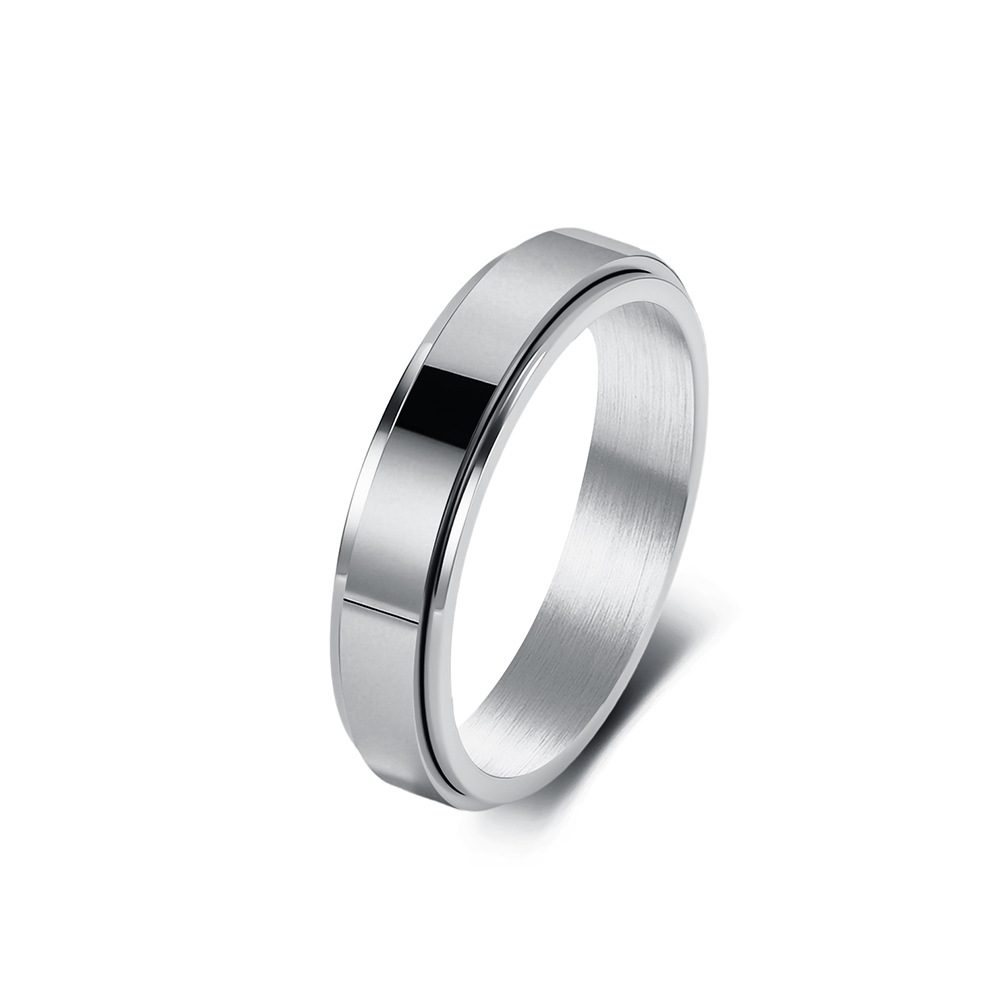
Our compliance page lists the documentation we hold, and the quote form is where you can request samples with the current reports. If you want to see the two finishes side by side, our 316L ring line is all PVD.
Frequently asked questions
Is PVD plating better than gold plating?
For stainless steel jewelry, yes - PVD bonds to the surface instead of sitting on it, so it holds color better and does not flake. "Gold plating" on a listing is often water electroplating over a softer base metal, which wears faster.
Does PVD plating rub off?
It does not peel or flake because there is no loose layer to lift. It wears down gradually with abrasion. On 316L, our factory standard is 1-2 years of daily wear before gold tones show visible color loss.
Can you do PVD on brass or silver?
PVD is our standard on stainless steel. Water plating is more common on brass, silver and alloy, where the coating behaves differently on the base metal. Tell us your base metal and design and we will recommend the finish that holds color best for it.