 XR Custom Jewelry
Which material should you choose?
Choose 316L stainless steel for skin-contact pieces that must resist tarnish and nickel release. Alloy costs less but fades and can irritate skin. Brass oxidizes and needs regular care. Once the base metal is settled, color is the easy part, and colors can be mixed across a single order.
New to sourcing? Start with the custom jewelry buyer guide, which covers the full path from first inquiry to shipped order.
Base metal comparison
| Material | Tarnish | Skin contact | Best for |
|---|---|---|---|
| 316L stainless steel | Does not fade or rust | Hypoallergenic, negligible nickel release | Daily wear fashion jewelry |
| Alloy | Fades and can rust | Can itch or cause redness | Low cost trend pieces |
| Brass | Oxidizes and darkens | Can stain with sweat and oil | Vintage and warm tone looks |
316L passes the highest EU and US test standards for skin contact. It is nickel free in release terms, so it does not cause the itch that buyers associate with cheap white metal. Brass is a different story: sweat and skin oil speed up oxidation, and the darkening is part of the look unless you keep polishing it.
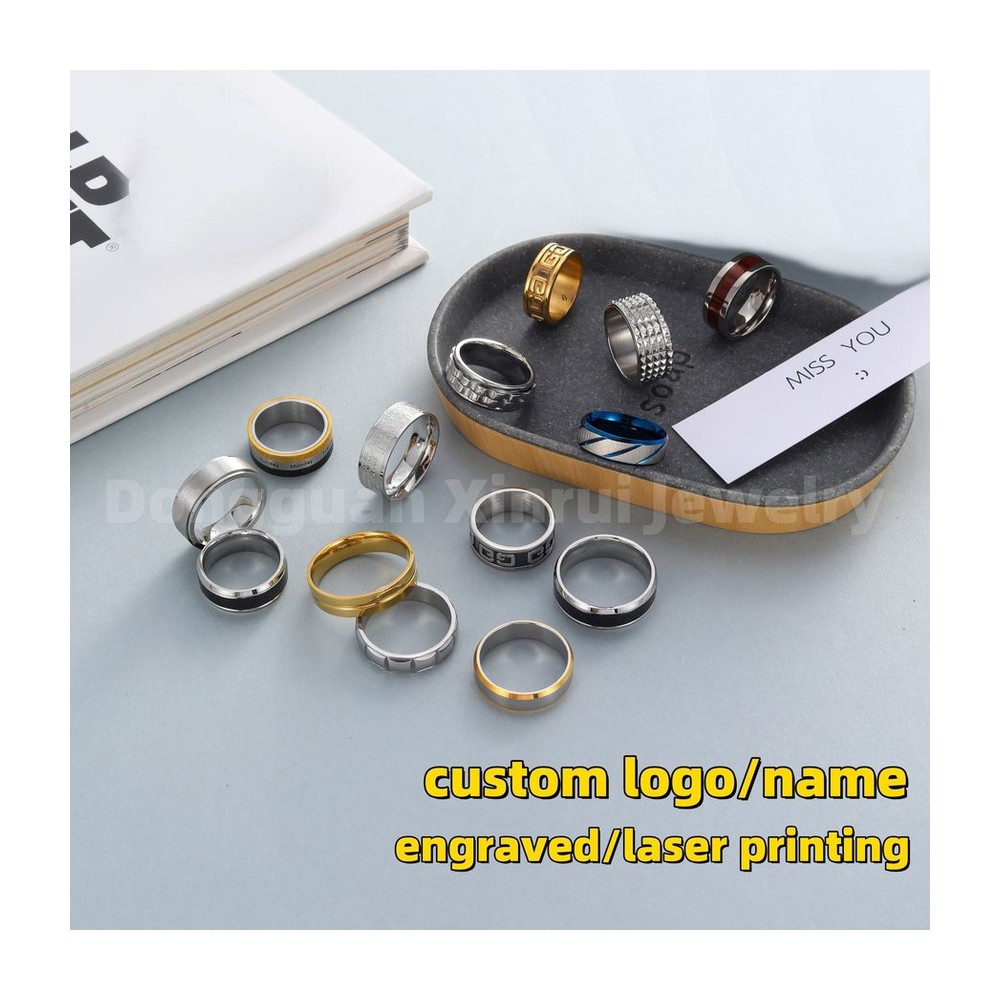
Choose the material first, then the color
Color behaves differently on each base. On 316L we apply PVD in gold, rose gold, black, blue, rainbow and brown, and the natural steel tone needs no coating at all. PVD on steel holds roughly two years in daily wear. On alloy and brass the same color is usually water plated, which fades faster because the base metal underneath is reactive.
Colors can be mixed within one order. A cast run of 100 pieces can carry gold, rose gold and black in the same batch, which lets you test several tones without raising the minimum on each. Name the mix in your brief and we will confirm what is in stock.
For the science behind skin safety, read nickel release and 316L. For the grade question, see 316L against 304. Our plating guide covers how each finish sells in different markets.
Color care you can pass to your customers
- Wipe pieces with toothpaste or alcohol, then dry them fully.
- Store jewelry dry and sealed when it is not being worn.
- Keep it away from chemicals, and put it on after perfume and lotion.
- Take it off before sleeping, swimming or heavy sweating.
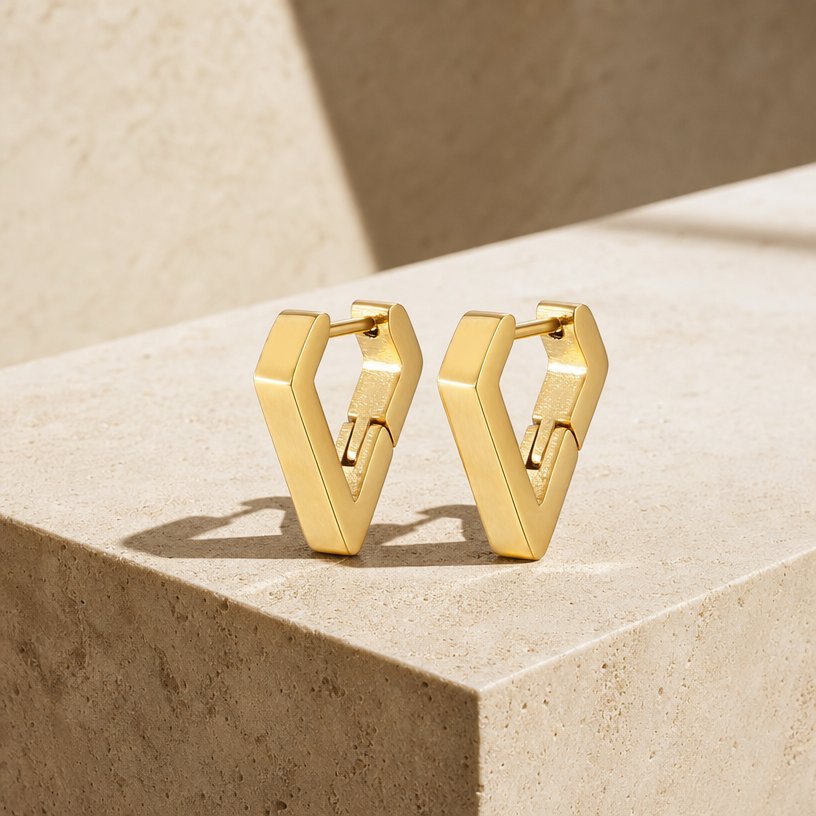
Our earring line is the easiest place to compare tones, since the same shape comes in several finishes.
Keep reading: PVD or water plating, etching or laser marking, the full buyer guide.
Frequently asked questions
Is 316L safe for sensitive skin?
Yes. 316L releases almost no nickel and does not react with sweat the way alloy or copper based metals do. It is the standard choice for body contact fashion jewelry.
Can I mix colors in one order?
Yes. A cast run of 100 pieces can carry several PVD colors in the same batch. List the colors you want in your brief and we will confirm availability before production.
Will the color tarnish?
On 316L with PVD, color holds about two years in normal daily wear and does not rust. Water plating on a reactive base fades much sooner, usually in three to six months.